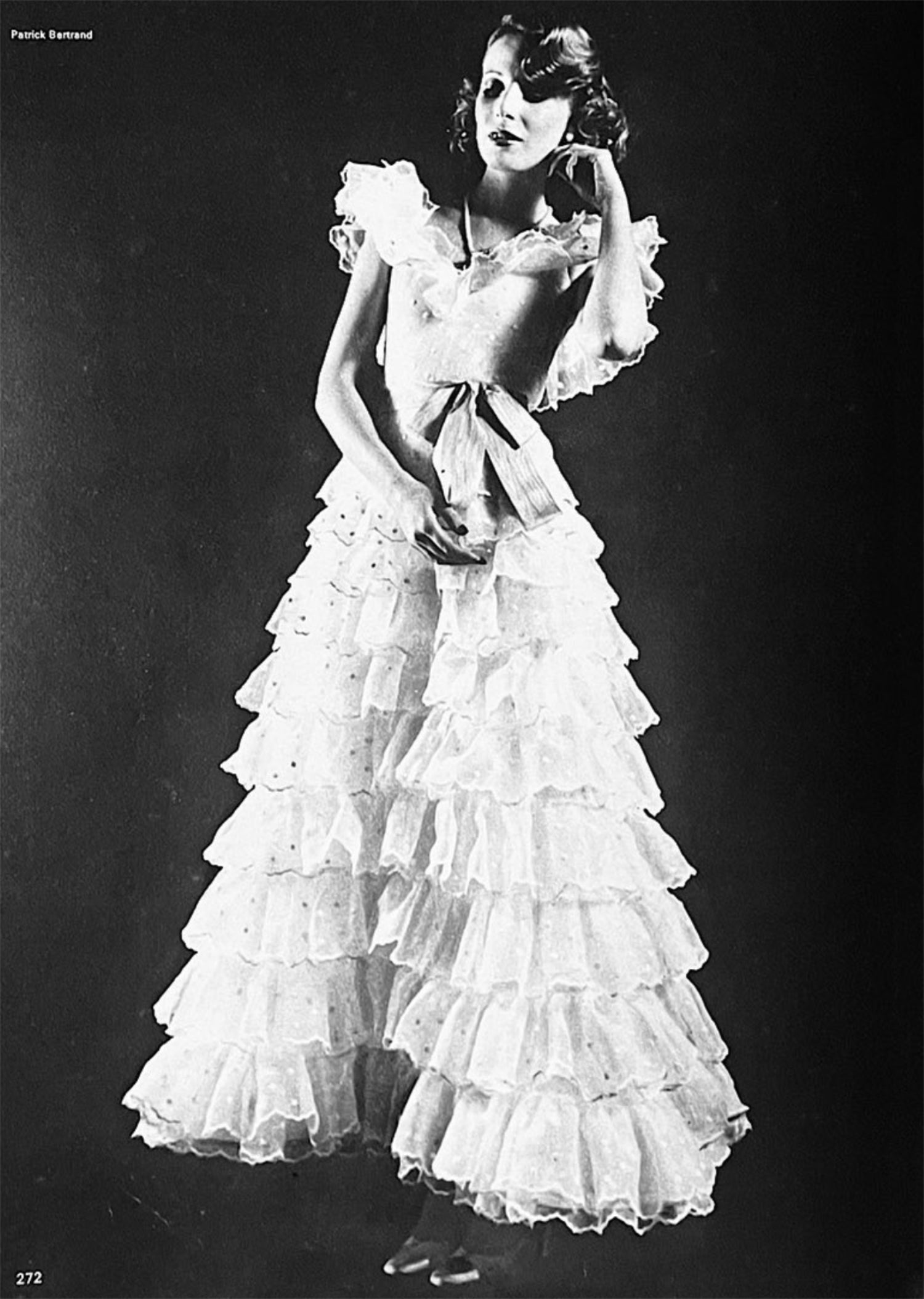
In Fashion in Costume, 1200-2000 (2000) Joan Nunn discusses the changes in fabric and color during this time: Throughout the period light colours were fairly general for evening wear and were considered more suitable for young ladies, as were cottons like muslin or tarlatan, but by the 1860s cotton had lost ground as a high-fashion fabric, and silk, satin, taffeta, faille, moir, silk poplin from Ireland, and velvet for more mature ladies, were used for formal dresses. (166-67) Red was a relatively common color at this time among the elite due to its richness, especially when created through the new aniline (synthetic) dyes that evoked novelty and opulence
Contrast your favorite jeans with an embellished clutch or experiment with unexpected colors and textures
Have you always wanted a traditional wedding gown
Indications for Silver Alginate Dressings Wounds where there is an infection or an increased risk of infection Wounds that may require a barrier to microbial penetration of the dressing as this may reduce infection risk Diabetic foot ulcers, leg ulcers (venous stasis ulcers, arterial ulcers and leg ulcers of mixed aetiology), and pressure ulcers (partial and full thickness) Surgical wounds Traumatic wounds Oncology wounds with exudate, such as fungoids-cutaneous tumors, fungating carcinoma, cutaneous metastasis, Kaposis sarcoma and angiosarcoma Wounds where the presence of microorganisms is a suspected cause of (or a factor in) chronicity/non-progression Partial thickness burns and donor sites Windy Cole, DPM, CWSP, is an adjunct professor and Director of Wound Care Research at Kent State University College of Podiatric Medicine
a blue strap in sync with your kicks plus a slick watch take it up a notch